01
What furigana are and which manga print them
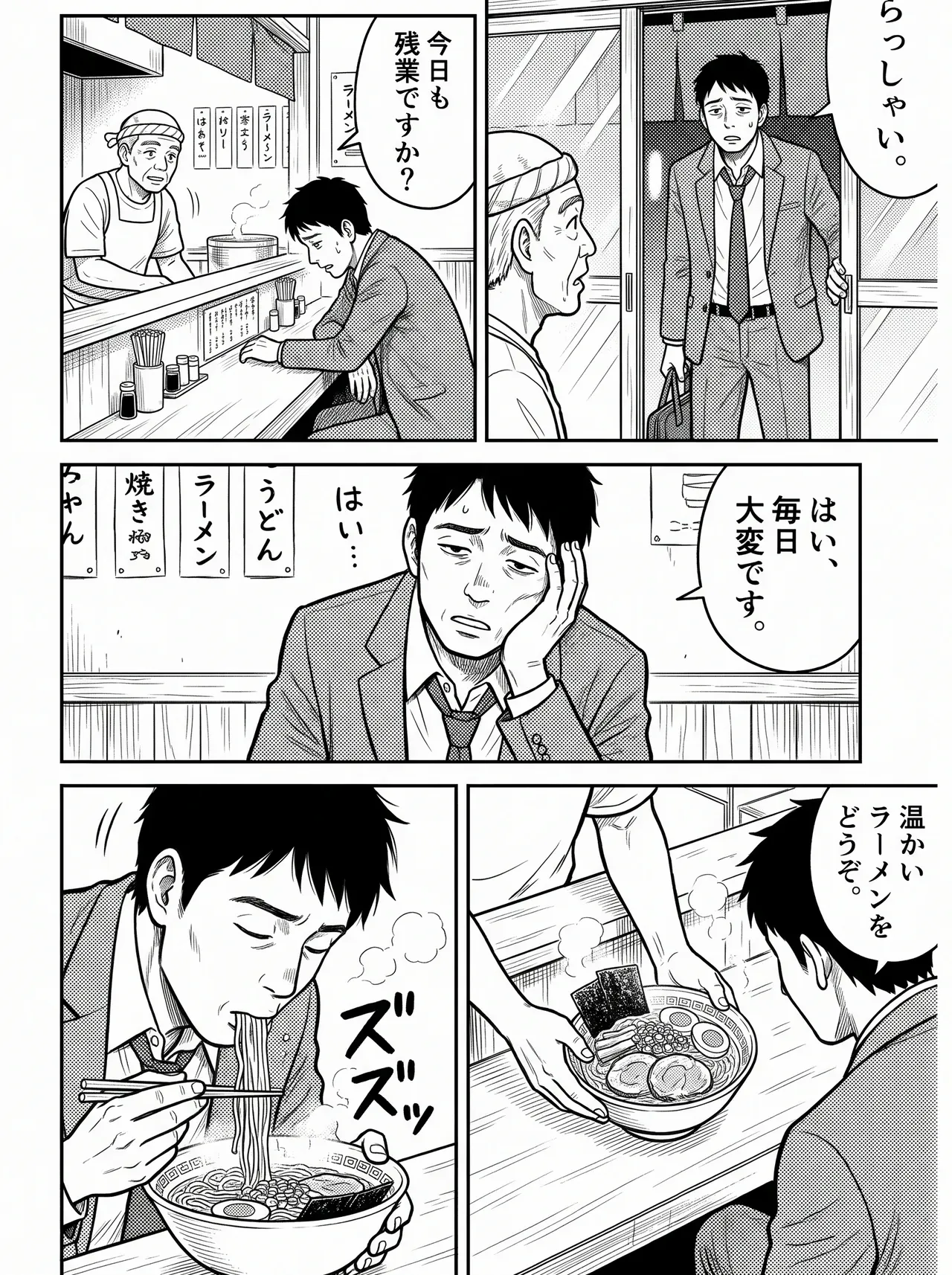
Furigana are small kana written beside or above a kanji to show how it is read; in vertical text they sit to the right of the column. Publishers add them to series aimed at children and young teens, often on every kanji, because those readers have not learned the characters yet. Series aimed at older teens and adults usually drop them, except on rare kanji, unusual name readings or a word the author wants read a special way. That is why learners often find the story they want to read is the one with no help printed on it. A furigana layer drawn by a tool fills that gap without changing the page: the art and the original lettering stay exactly as they were, and the readings sit on top.
02
Level-filtered furigana instead of furigana everywhere
Furigana on every kanji makes a page readable but slows real progress, because your eye goes to the kana and skips the kanji. Filtering by level keeps the readings where you need them. At N4, a word like 学校 stays bare because you should know it, while 約束 or 景色 get their readings. As you move up, fewer words carry furigana and the page looks more and more like what a native reader sees. You can change the level on a page you have already broken down for free, so it is easy to read once at your level and once a step higher. If a word you know still shows a reading, or one you do not know is bare, tap it: the card shows its JLPT level.
03
The furigana generator for pasted text
Paste mode is a furigana generator for any Japanese text you have, no image needed: a paragraph from a news article, lyrics, a message from a friend or your own notes. You get the same level filter as on manga pages, with the result shown as ruby text you can read on screen, a bracket version you can copy, and tappable word cards. The bracket version writes each reading in square brackets after its kanji, as in 約束[やくそく], which is the format flashcard apps such as Anki use to show furigana on a card. Names are the weak spot of every furigana generator, including this one: a name can have several readings, so check names against the source.